Plant Paper | Episode 036
Toxins, Trees, & Toilet Paper: How Plant Paper is Flushing Out Old Habits w/ Lee Reitelman
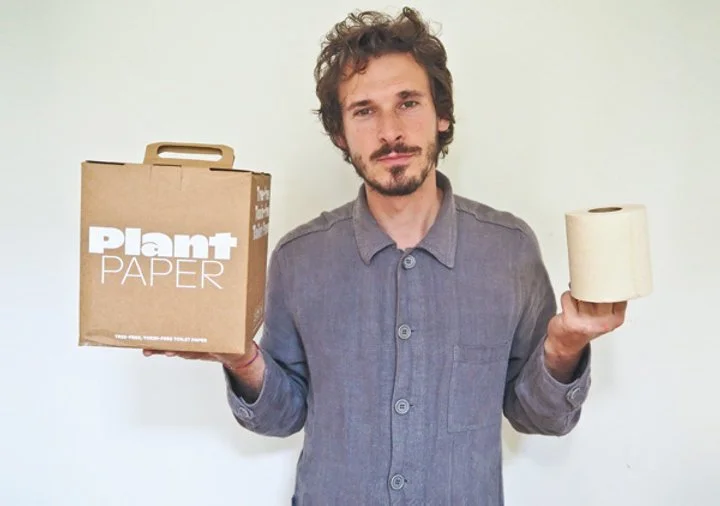
Wiping the Slate Clean: How Plant Paper is Redefining Wellness, Sustainability, and Our Bathroom Ritual
In this episode of The Dean’s List, host Alison Dean sits down with Lee Reitelman, co-founder of Plant Paper, to explore how a humble household essential can become a catalyst for personal, environmental, and cultural transformation.
Rethinking the Overlooked: The Rise of Plant Paper
Many of us give little thought to the paper products we use every day—especially toilet paper—yet this simple item can have profound implications for our health and the planet. On The Dean’s List podcast, Alison Dean invites Plant Paper’s Lee Reidelman to dig into the origins, impact, and mission behind the brand that’s quietly rewriting the rules of personal care.
Plant Paper stands out as a “tree-free, toxin-free household paper goods company,” according to Reidelman. Its core offering is a bamboo-based, unbleached toilet paper, designed to avoid the destructive logging and chemical processing embedded in most conventional brands. With over 70,000 subscriber households and growing, Plant Paper is proving that wellness can start where we least expect it: in the bathroom.
Healing Beyond the Roll: The Mission that Drives Plant Paper
At its heart, Plant Paper isn’t just selling paper goods; it’s on a mission to heal the disconnect most people have with the products they put in and on their bodies. Reidelman highlights two main issues: the environmental destruction caused by traditional toilet paper (often sourced by razing irreplaceable forests in Canada and Brazil), and the silent pervasiveness of harsh chemicals like bleaches, formaldehyde, dyes, scents, and PFAS—the notorious “forever chemicals.”
Many listeners may be shocked to learn that the soft, white toilet paper they’re used to is the result of chemical-intensive processing that can harm not just the planet but our intimate health. “There is no safe threshold for exposure to PFAS,” Reidelman warns, emphasizing that repeated exposure, even in tiny amounts, adds up over a lifetime.
Breaking Habits and Cultural Myths
One of Plant Paper’s biggest hurdles wasn’t sourcing bamboo or designing a new product—it was challenging the deeply held beliefs around what toilet paper should look and feel like. Reidelman notes that both manufacturers and many early customers resisted the idea of unbleached, non-white paper. However, once customers made the switch and understood the reasons behind it, attachment to “white” toilet paper faded. In fact, many now refuse to return to traditional products, citing not only environmental impact but firsthand relief from irritation, inflammation, and other health issues.
Dismantling Shame with Humor and Honesty
Personal paper goods are, by nature, intimate—so it’s no surprise that shame has always shrouded the category, both in society and in advertising. “All of the marketing around toilet paper was spoken in euphemisms,” Reidelman explains, tracing this trend back to the early 1900s. Plant Paper’s approach radically departs from the norm, opting for direct, witty, and even humorous messaging to normalize and destigmatize conversation about our most private needs.
This transparency and honesty isn’t just for laughs—it’s strategic. By talking candidly about buttholes, bodily functions, and the real impact of ingredients, Plant Paper invites customers to rethink their most automatic habits and feel empowered in their choices.
Design as an Invitation to Change
A key part of Plant Paper’s success story is its commitment to design—not just visually pleasing packaging, but product and brand design that feels elevated, thoughtful, and desirable. There’s a common perception that sustainable products mean a sacrifice in quality, but Reidelman insists it doesn’t have to be a trade-off. Instead, Plant Paper was created to be “a trade-up, not a trade-off,” merging sustainability, performance, and aesthetics so customers feel good about every aspect of their purchase.
Cultivating Transparency and Trust
Whether dealing with early COVID supply chain chaos, scaling the team, or communicating product changes, Plant Paper has put radical transparency at the core of its culture. As Reidelman says, a brand is defined by the “one or two things you will not compromise on.” For Plant Paper, this means always putting the customer first and being open about every decision—values that have translated into fierce customer loyalty and an ever-growing community.
Conclusion: From Habit to Ritual
As The Dean’s List episode concludes, it’s clear that the smallest rituals—done day in and day out—can become acts of wellbeing, stewardship, and even joy when we approach them with curiosity and care. Through Plant Paper, Reidelman and his team invite each of us to wipe away old assumptions and embrace better habits, one roll at a time.
Ready to trade up? You can find Plant Paper at plantpaper.us. Use code THE DEANSLIST for 20% off your first subscription order.
Follow Plant Paper:
Instagram: @plant_paper
Website: https://plantpaper.us/
Don’t forget to:
Subscribe for more inspiring episodes. Youtube
Follow us on Instagram: @Official_DeansList
Follow us on Tiktok: @official_Deanslist